How to Save Up to 5% on Every International Money Transfer: A Complete Guide
How to Save Up to 5% on Every International Money Transfer: A Complete Guide
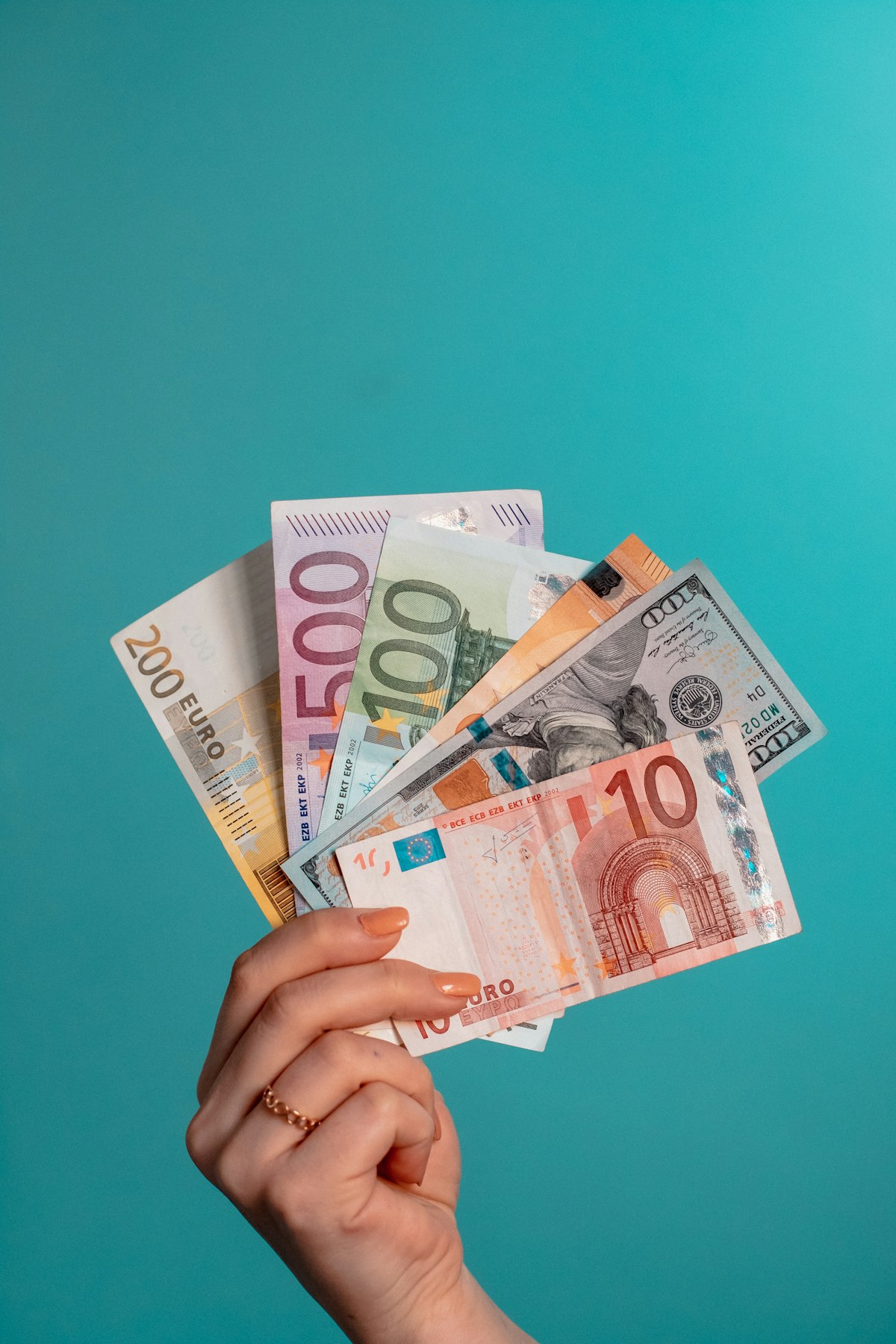
Knowing the real exchange rate can save you up to 5% on every international money transfer.
Most people lose hundreds of dollars every year on international transfers without realising it. The culprit is not a scam — it is your bank and a quietly manipulated number called the exchange rate. Before your next transfer, check the real rate free at FX Rate Live.
Let me tell you something banks hope you never figure out. When you walk up to a counter and ask to send $1,000 to family in India, or transfer £500 to a friend in Australia, the bank does two things at once. It charges a visible transfer fee — maybe $15 or $25 — which you see and accept. But it also quietly gives you a worse exchange rate than the real one. That gap is where the bank makes most of its money, and it can cost you three to five times more than the fee you were focused on. You can see the real rate right now at FX Rate Live — free, no signup needed.
This guide breaks down exactly how the hidden cost works and what you can do to stop it. We will show you how to use the mid-market rate as a benchmark so no transfer service can ever hide its true cost from you again.
The Real Exchange Rate Nobody Talks About
There is a rate called the mid-market rate — also called the interbank rate. It is the actual exchange rate at which currencies trade between banks on the global forex market. It is the rate Google shows you. It is what Bloomberg and Reuters publish. It is the fairest number that exists, and you can track it live at FX Rate Live across 150+ currency pairs, updated every few minutes.
Banks do not give you this rate when you send money abroad. They give you a marked-up rate — worse for you. The difference is called the FX spread. It is pure profit. No disclosure, no line item — just a quietly adjusted number you probably never thought to question. The World Bank Remittance Prices database consistently shows the global average cost of sending $200 above 6%, with much of it buried in the rate.
This is standard practice across the entire traditional banking industry. The average spread sits between 3% and 5% above the mid-market rate. If you send money home every month, that adds up to a large sum over a year. Always cross-check the rate you are offered against the live benchmark at fxratelive.in before confirming any transfer.
How Banks Layer Their Hidden Fees
Most people only ever see the first layer. The real damage happens in layers two and three.
Layer 1 — The upfront transfer fee. "$0 transfer fee!" says the banner. But a $0 fee transfer with a 4% exchange rate markup costs far more than a $10 fee transfer with a 0.5% markup. Banks compete on the visible fee while quietly recouping it in the spread. Use the live converter at FX Rate Live to run real numbers in seconds.
Layer 2 — The FX spread. On a $3,000 transfer, a 3.5% spread costs $105. It does not appear as a fee — it just silently reduces what the recipient receives. The Bank for International Settlements has documented how retail customers consistently receive worse rates than institutional traders — entirely legal, almost never disclosed.
Layer 3 — Correspondent bank fees. When your bank and the recipient's bank have no direct relationship, the transfer routes through a third "correspondent" bank. That middle bank charges $10–$30, deducted from what the recipient receives — without upfront warning. Always check the destination amount on fxratelive.in before transferring.
FX spread (3.5%): ~$35 | Transfer fee: $20 | Correspondent fee: $15
Total loss: ~$70 — that is 7% of your money, gone silently
→ Check today's mid-market rate to calculate your own saving
Live mid-market rates for 150+ currencies. Free, no account needed.
The Interbank Rate vs. the Bank Rate — Know the Difference
The interbank rate is what banks use when trading currencies among themselves — millions of dollars at razor-thin spreads. FX Rate Live displays this live for 150+ currency pairs, pulled directly from interbank data, updated continuously — free for anyone to check.
The bank rate is what retail customers receive. It is always worse. There is no legal requirement in most countries for banks to disclose the FX markup as a separate fee. They simply call it "the exchange rate" and move on. Once you know the real rate from FX Rate Live, you have a benchmark and no service can hide its true cost from you.
Cheaper Ways to Send Money Internationally
Competition has pushed several transfer services to offer rates far closer to the mid-market rate than traditional banks. Always check the real rate on fxratelive.in first — then compare each service's quote against that number to find your true cost.
| Service Type | Typical FX Spread | Transfer Fee | Best For |
|---|---|---|---|
| High Street Bank | 3%–5% | $15–$30 | Convenience only |
| Specialist Transfer Apps | 0.35%–1% | Low or zero | Regular transfers |
| Peer-to-Peer FX | Near zero | Small flat fee | Large amounts |
| Crypto / Stablecoin | Varies | Network fee | Tech-savvy users |
| Post Office / Cash | 4%–8% | Variable | Unbanked recipients |
The key is always to measure the effective rate, not just the advertised fee. Verify using FX Rate Live before deciding. For Pakistan remittances, the spread can be even wider — see our USD to PKR guide for current rates.
How to Use the Mid-Market Rate as Your Benchmark
Before every transfer, visit FX Rate Live and note the live mid-market rate for your currency pair. Then get a quote from your bank or transfer service. The percentage difference between those two numbers is your real cost. Add flat fees on top and you have a complete, honest picture.
Whether you are sending GBP to USD (see our GBP to USD guide) or USD to CAD (see our USD to CAD guide), the method is exactly the same — check the real rate first, then compare.
1. Visit fxratelive.in — note the live mid-market rate
2. Get a quote from your bank or transfer service
3. Calculate spread: (mid-market rate − offered rate) ÷ mid-market rate × 100
4. Add flat fees to find total percentage cost
5. Compare at least two services before confirming
6. Always verify the destination amount — not just what you send
Even doing this once will change how you think about transfers forever. Seeing a 4% spread as a concrete dollar amount — $80 on a $2,000 transfer — lands very differently. Bookmark FX Rate Live on your phone right now.
Small Habits That Add Up to Real Savings
Timing your transfer matters. Exchange rates move throughout the day. Central bank announcements, jobs data, and geopolitical events cause short-term swings. Monitoring live movements on FX Rate Live for a day or two before a large transfer can realistically get you 0.5%–1% better on major pairs.
Batch smaller transfers. Sending $2,000 once is almost always cheaper than four separate $500 transfers. For currencies like PKR with persistent depreciation pressure — detailed in our USD to PKR analysis — timing and amount both matter even more.
Always check the destination amount. A service that looks cheap from your end might have fees on the receiving side. Always quote the destination amount and verify it against the mid-market rate on fxratelive.in. What you cannot measure, you cannot manage.
Bottom Line
Banks have made billions from the gap between what they say and what they charge. Hidden in the exchange rate, buried in correspondent fees, obscured by zero-fee marketing — the real cost has always been there. You were just not meant to notice it.
Now you know where to look. The mid-market rate is your reference point. Check it at FX Rate Live before every transfer. Any service close to that rate with transparent fees is working in your interest. Any service that is not — is not.
Five percent every month, over years? That is real money — money that belongs in your pocket, not in a bank's foreign exchange margin.
Frequently Asked Questions